Online Now · September 2026 · Read Now

Feature
Philippine Weaving Is Having a Renaissance: The Work Is Far From Over
Philippine weaving has never been more celebrated, but its greatest challenge is not preserving the past: it is ensuring the craft has a future.
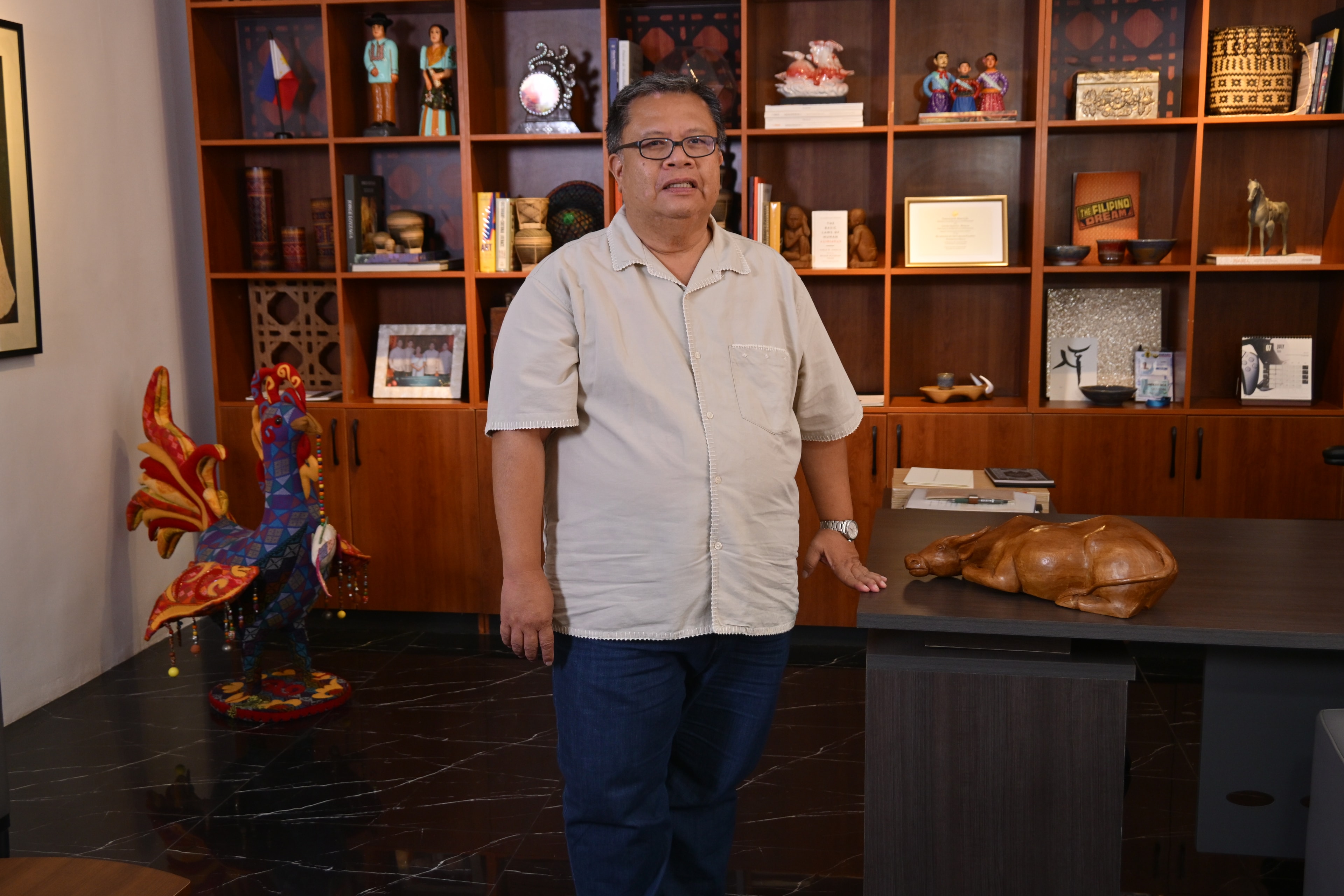
Artisanal weaving in the Philippines is facing its renaissance. It is a positive and uplifting statement coming from Al Valenciano, supervising head of the Design Center of the Philippines (DCP) and the Center for International Trade Expositions and Missions (CITEM).
His observations are on point. The industry has moved past the era of basic household blankets being peddled on the sidewalk. Today, artisanal weaving has evolved into a high-value art form, sought after by the modern fashion elite.
People are far more appreciative of the craft now than they were ten years ago, Valenciano observes. They see it not as a mass-produced commodity. Today, it is viewed for what it truly is: a work of art, a work of the hand.
But his observations come with a necessary dose of pragmatic realism.
Viability of the Weaving Career
In the Philippines, weaving is not exactly a viable career that can provide a stable income stream for the artisans and their families. Valenciano believes this needs to change. An expert weaver should be getting the same amount as a school teacher, at least, he says. They should be paid well for you to be able to sustain it.
Valenciano speaks from his experience as the weaving director of Museo Ilocos Norte and the founder of Balay ni Atong. Few weavers, he says, do it full-time because they prioritize tilling the soil to make sure they have rice for the whole year.
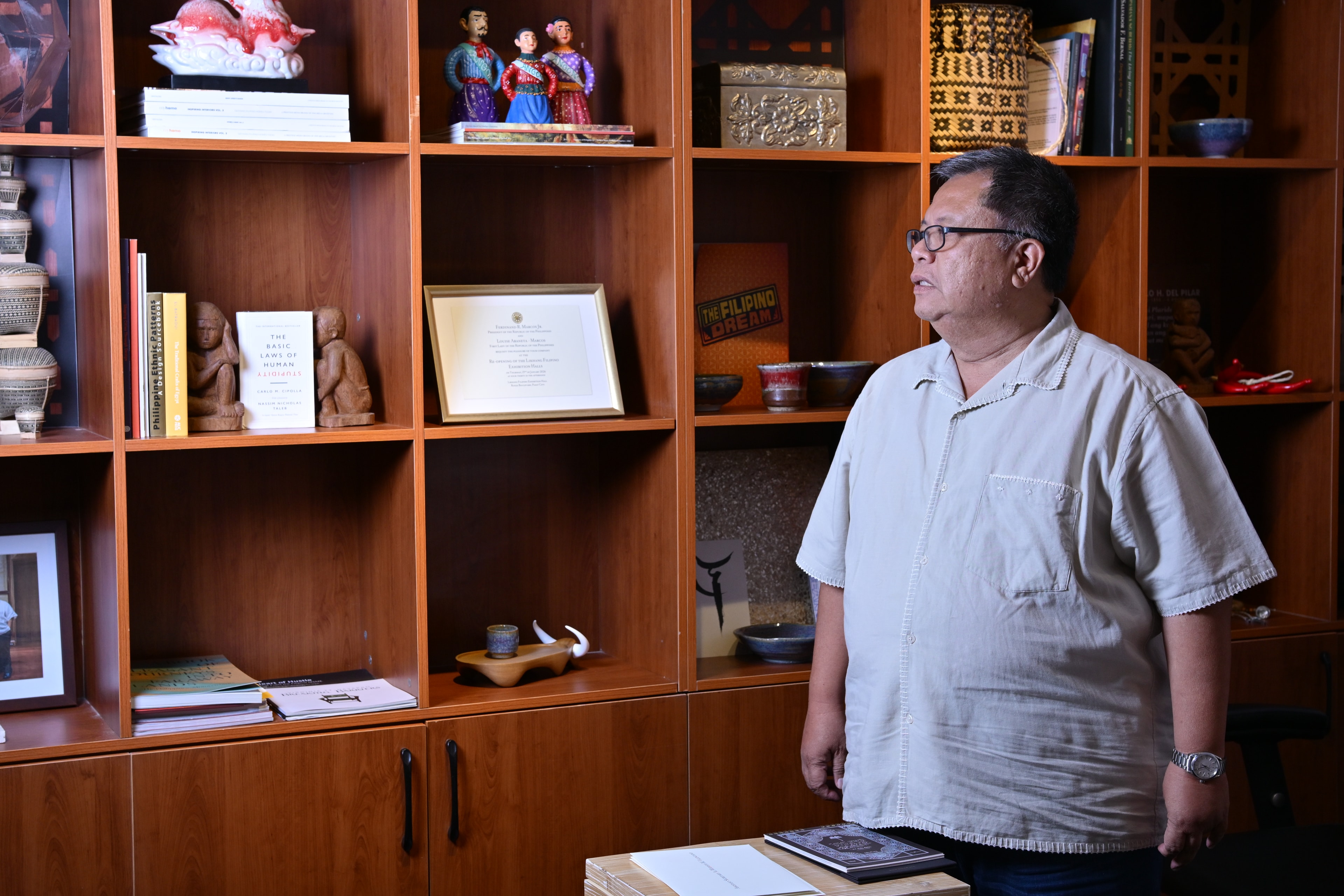
When it is farming season, weavers are not available. So for my business to be sustainable, I plan my production a year in advance, he shares. I cannot go by trend, kasi it is all classic, traditional Inabel. My production this year will be used next year. If there are orders, I tell them it will only be available in three to six months.
This also explains why very few entrepreneurs survive in this sector for the long haul. The market is instead dominated by resellers who purchase fabrics to flip at bazaars or convert into ready-to-wear clothing, often capitalizing on exploitative practices disguised as charity.
Ang marketing slant nila ay kawawa yung lola na nag-weave. Pero tinawaran naman nila o inutang pa, tapos napakatagal nilang bayaran. The fair trade just is not there.
Al Valenciano, Design Center of the Philippines
For Valenciano, scaling production comes down to community, not machinery. He advocates for growth, but draws the line at industrial mechanization. Growth can be achieved by increasing the tribe. By integrating these heritage textiles into our daily lives, using them as everyday essentials, we organically expand the network of weavers and consumers alike. You start within the community, he says. Use it every day, and you create the demand.
Adaptability to the Times
If we are to preserve Philippine weaving traditions, we need to stop being purists, Valenciano asserts, challenging those who refuse to evolve with the times.
There are patterns and materials that no longer fit modern lifestyles and body types. If a textile is no longer practical for daily life, people will not use it. If they do not use it, eventually they will forget about it, and before you know it, it is gone. For me, the true test of tradition is its ability to change and adapt, he maintains.
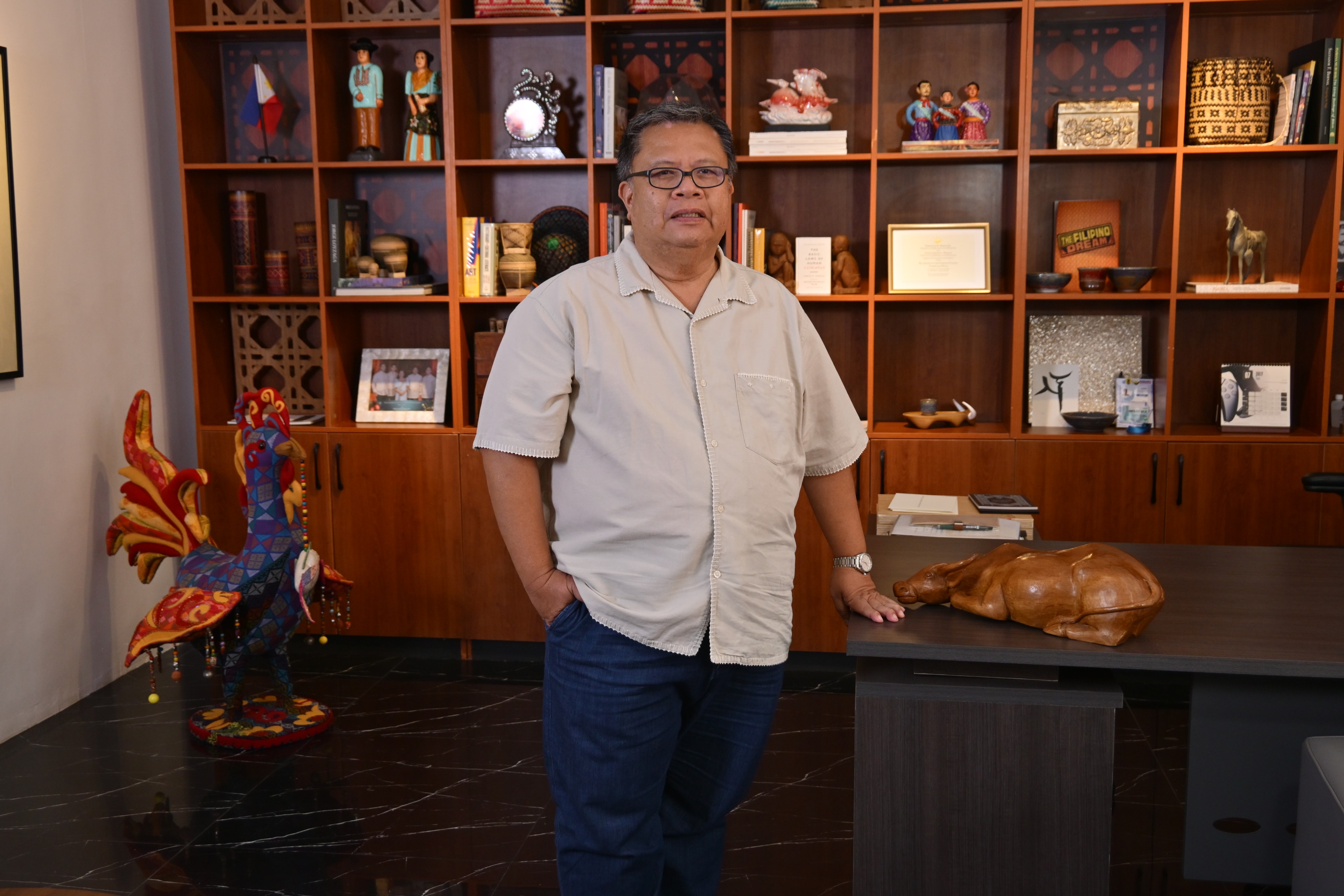
Valenciano also says we need to assert our ownership over our patterns. It is not about registering the pattern, because a lot of these are universal in nature, he explains, dismissing issues on cultural appropriation.
True ownership, he says, is achieved through continuous use. This is Filipino. Be proud of it. On a global scale, you start owning it by getting it identified with us. That is soft power, and that is how you own it. It is not about competitiveness anymore because art does not compete.
Gawa ng Pilipino, utak ng Pilipino. Wherever you are in the world, you are still a Filipino. It is inherent in you, passed down by your ancestors. That is what makes it intrinsic.
Al Valenciano
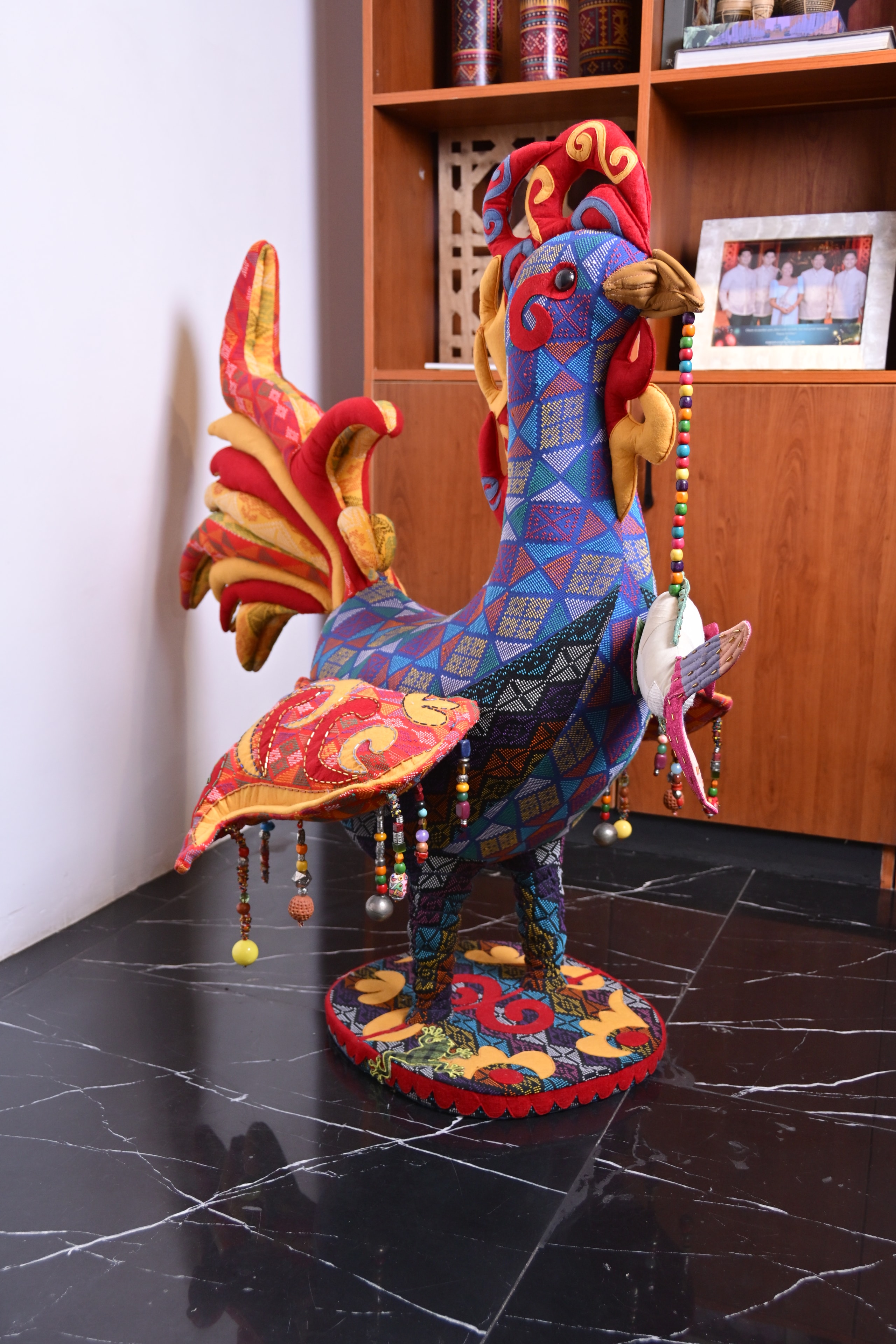
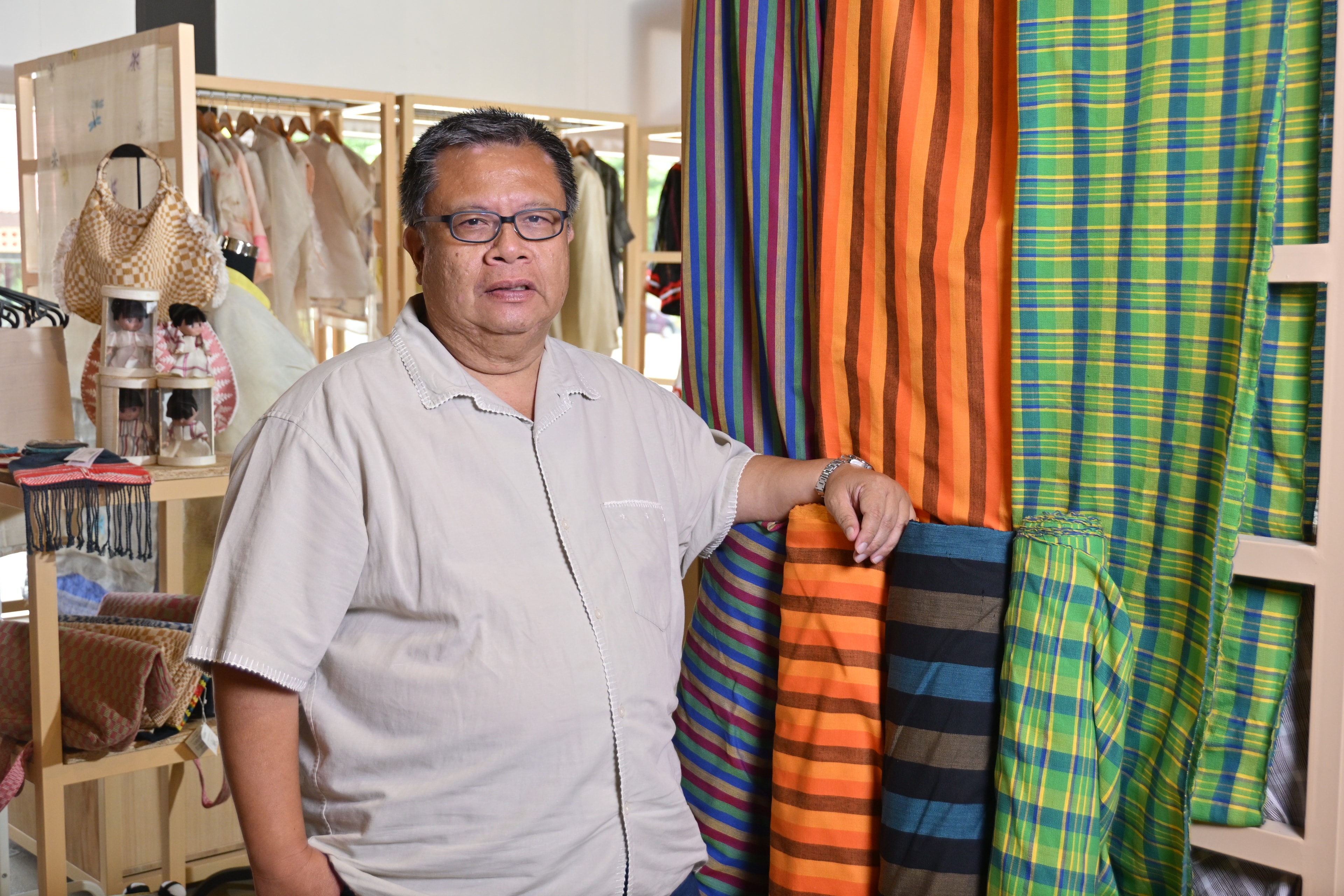
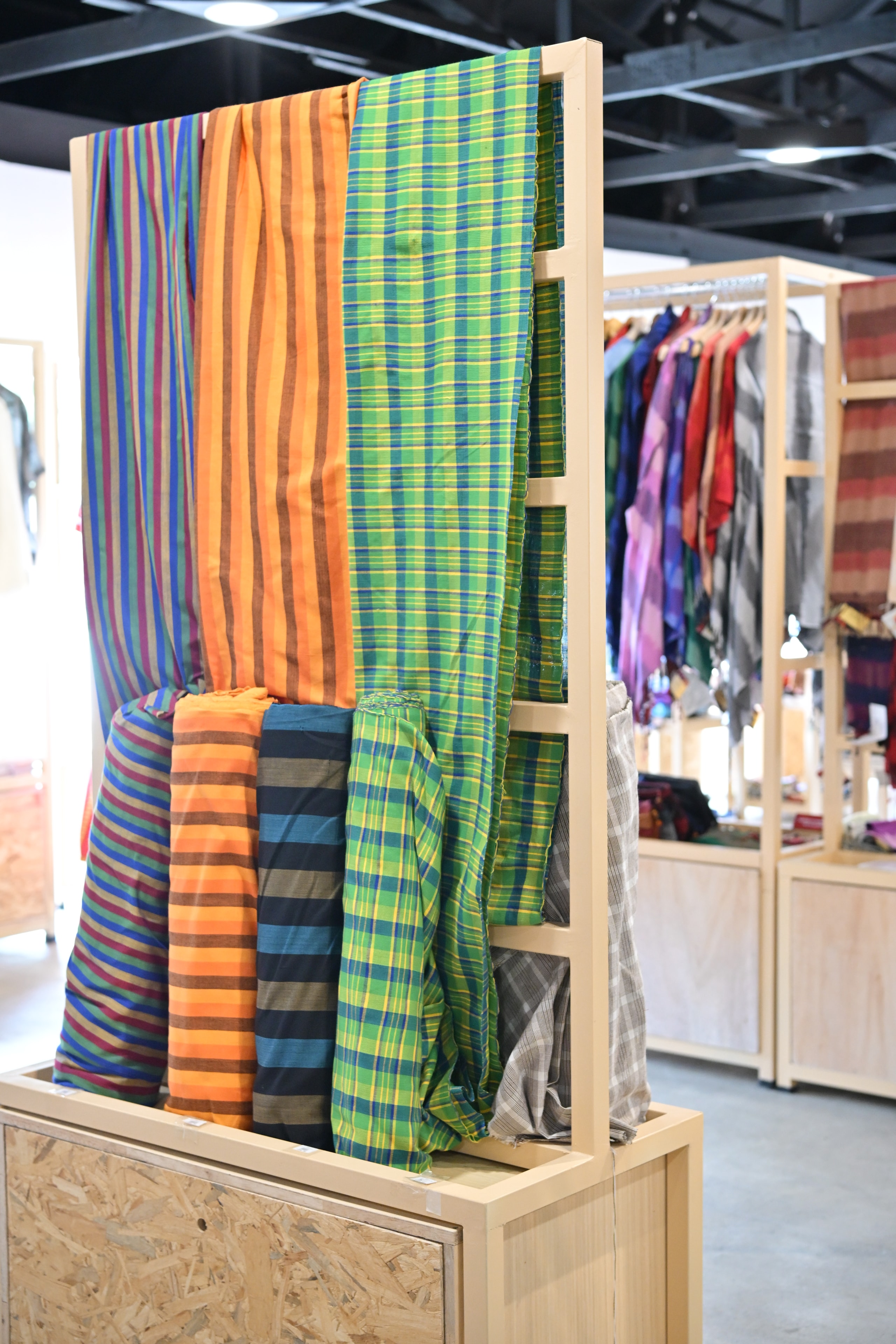
When asked if there is a signature aesthetic that is uniquely Filipino, Valenciano argues that the true marker of a Filipino textile is found far beyond the physical thread. You cannot really say a pattern is 100 percent Filipino. Look at the Igorot stripes and colorways; go to Taiwan, and they are exactly the same. Our swirling, op art themes? Go to Norway or Japan, and they have the same thing. The patterns are universal, but the spirit is ours, he says.
Beyond the Loom
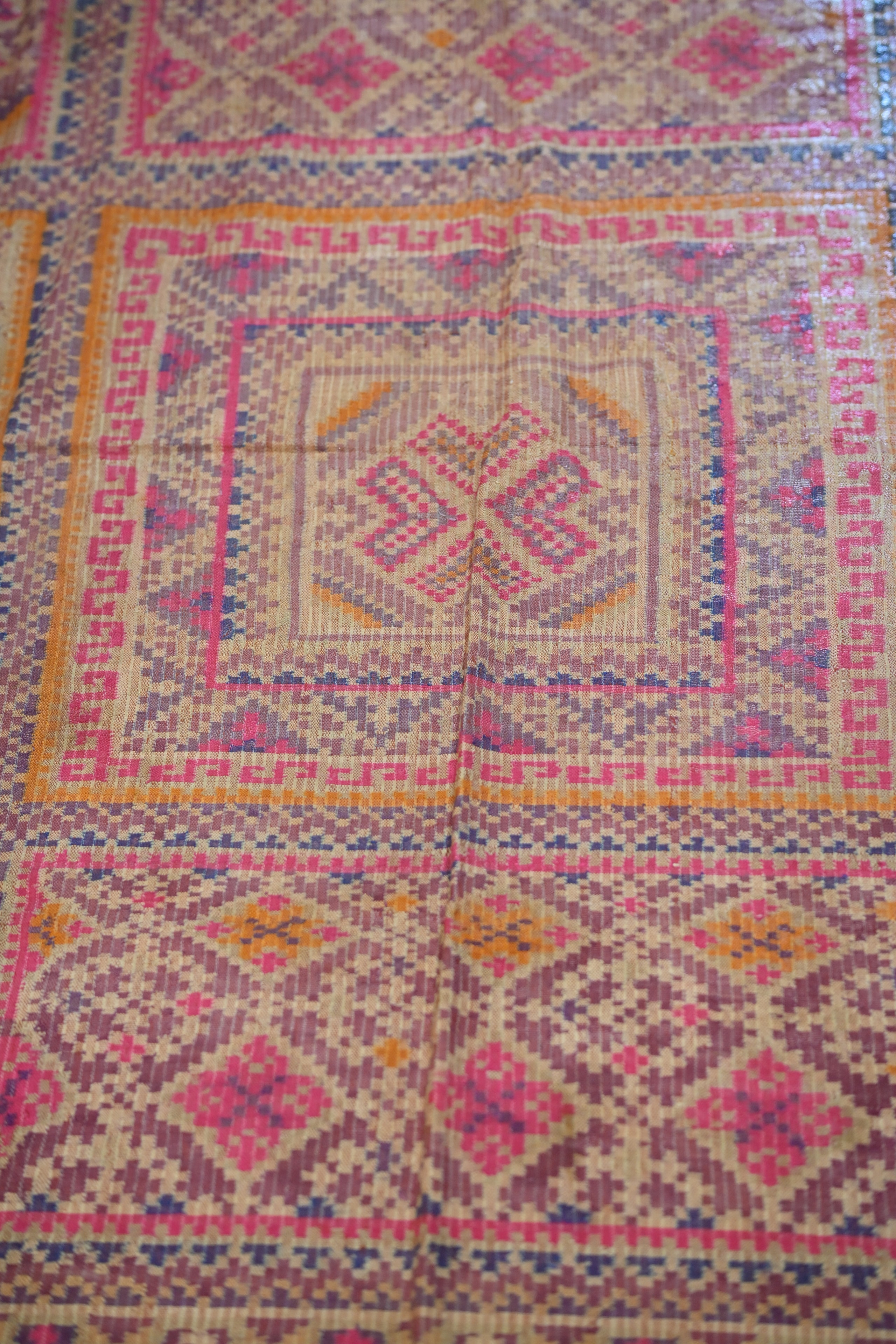
The survival and preservation of Philippine weaving depends on three things: documentation, education, and continued use. The government, he says, should start documenting all these patterns for the future generation. That is the reason why in my personal capacity, I am putting up the study center for Inabel. I have more than 250 or 300 old textiles in the collection. These are your mother blankets or mother textile that can be used for future research, he says.
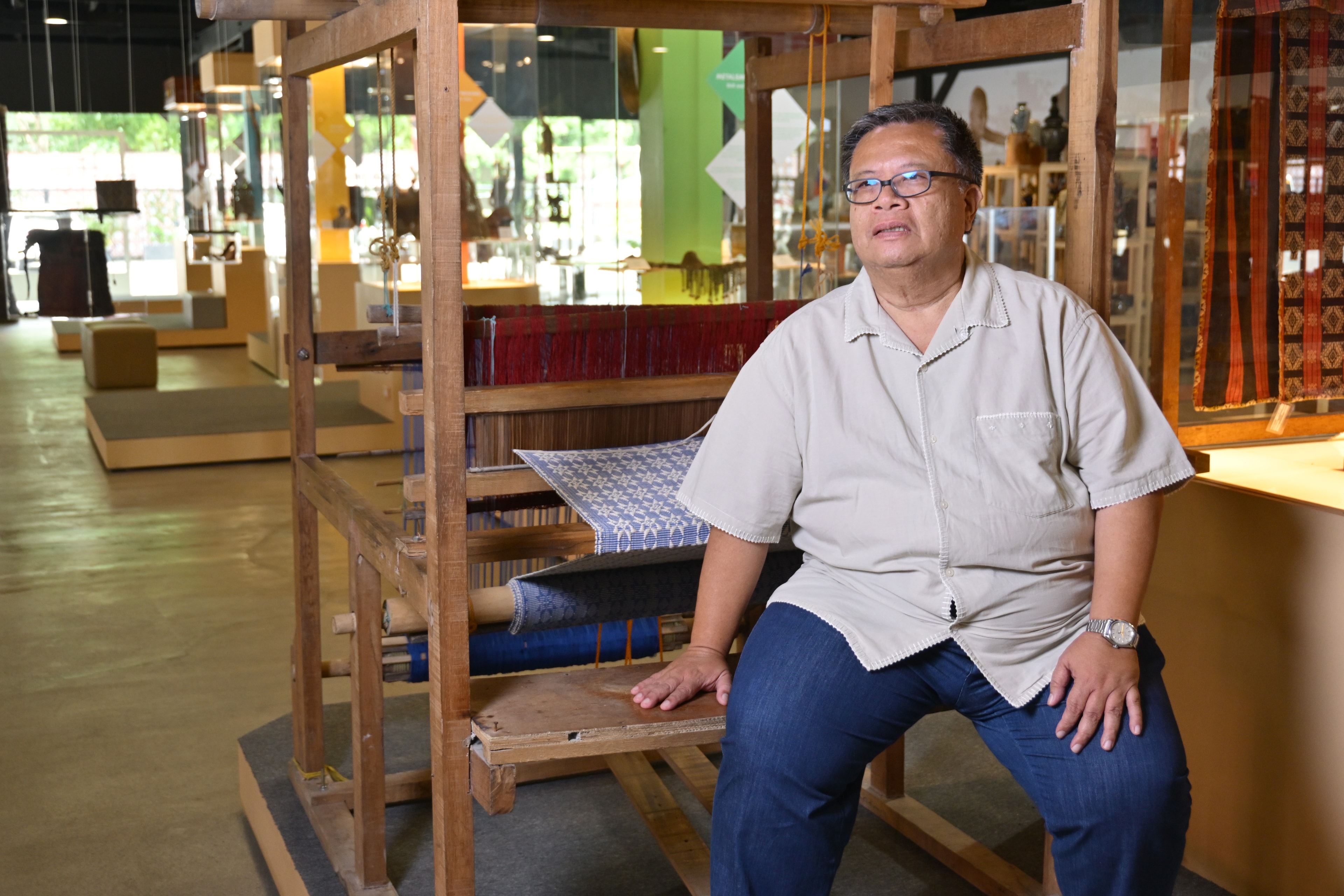
To keep the craft alive, the industry must likewise attract younger hands, a feat Valenciano insists is entirely possible if we address the checkbook. In the end, it boils down to economics, he says, suggesting that weaving could be integrated into the K-to-12 curriculum, specifically within established weaving communities where the tradition already has roots.
To save the tradition, we must look past the material constraints of the cloth itself. We are not just preserving the tela; we are preserving the tradition, the patterns, and the technique, Valenciano stresses.
The patterns must transcend the fabric itself. By translating ancient motifs onto everyday items like mugs, posters, and logos, the tradition stays adaptive. As Valenciano puts it, the goal is not to freeze the textile in time, but to keep its soul functional, ensuring the ancestral design remains present in the modern world.
This feature was produced in partnership with the Design Center of the Philippines and CITEM, ahead of Brava Life Issue No. 1, The Craft Issue.
Brava Life — Issue No. 1
More columns from The Craft Issue