Online Now · September 2026 · Read Now

Architecture & Living
The Bahay Kubo Reimagined
A new generation of Filipino architects is returning to indigenous building wisdom, and finding it was ahead of its time.
Going tiny, it turns out, might be the biggest idea in Philippine housing right now.
At the center of it is Cubo, a company quietly rewriting what modular living looks like in the Philippines, one unit at a time. What began as a "tiny house" builder has grown into a nationwide modular systems company, now serving clients in over 28 provinces.
Founders Earl Forlales and Zahra Zanjani did not set out to reinvent architecture. They set out to modernize a memory: the bahay kubo.
"It's like getting our very own 'bahay kubo' — but we're just upgrading it to become a 21st century solution."
— Earl Forlales, Co-founder, Cubo
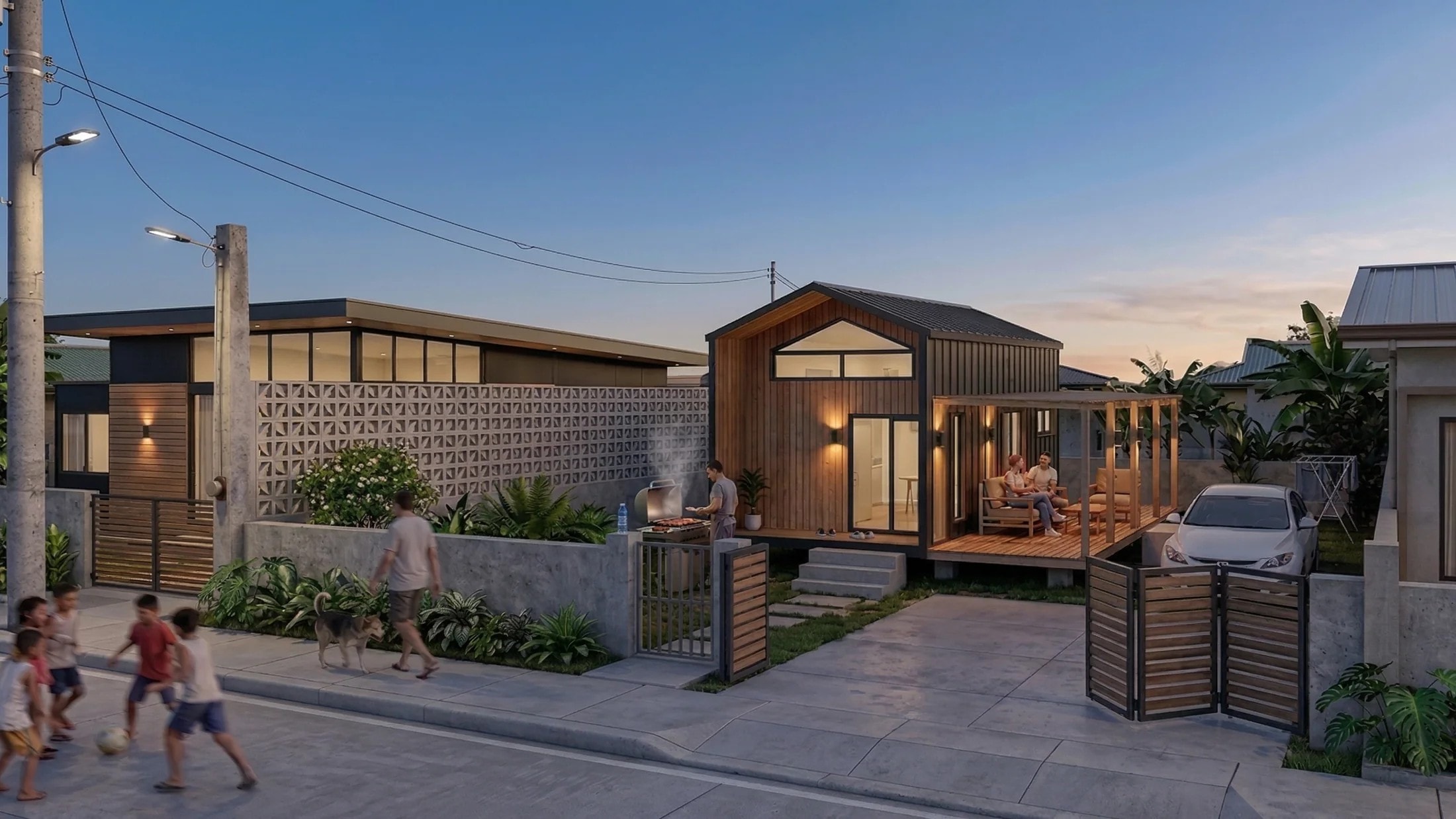
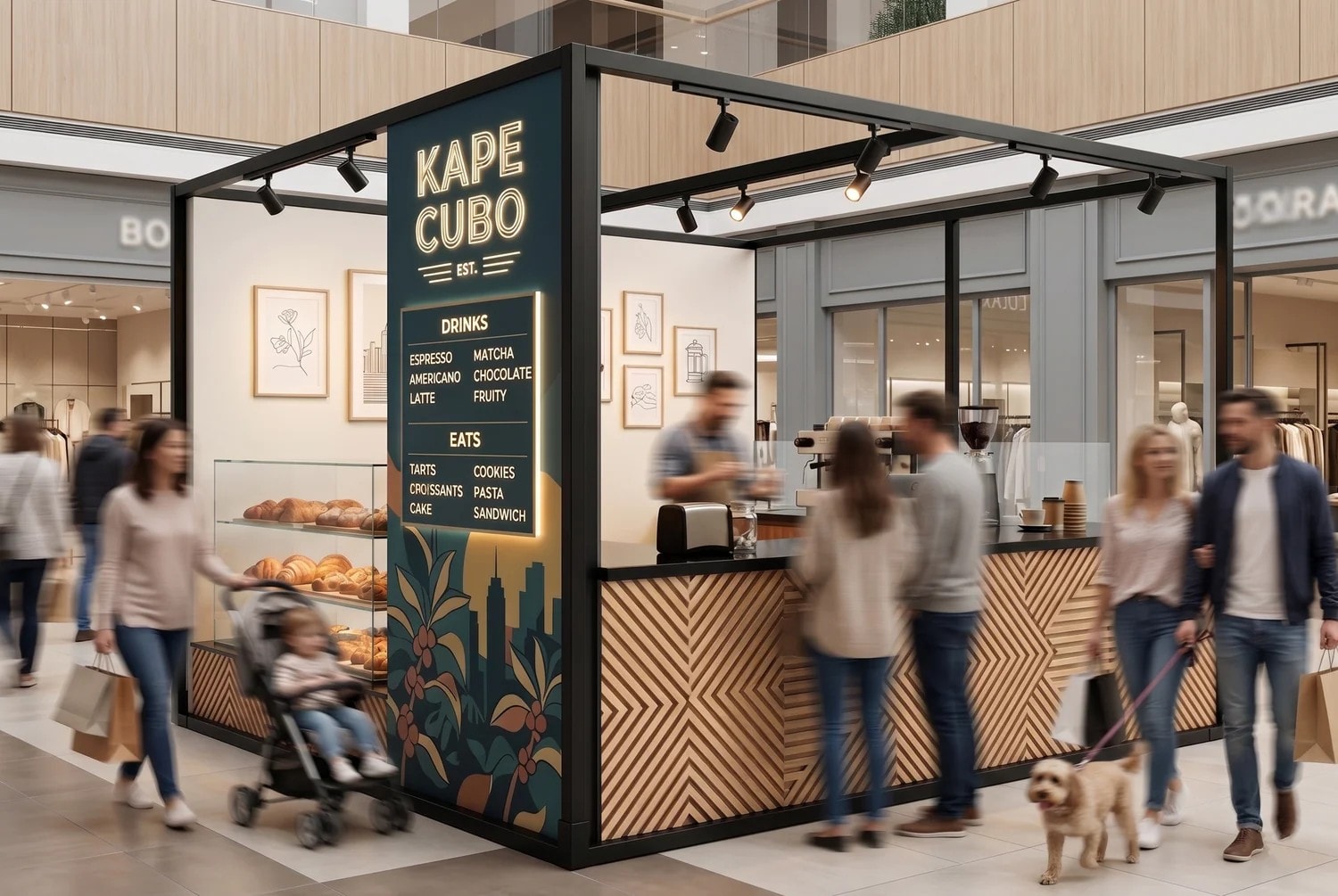
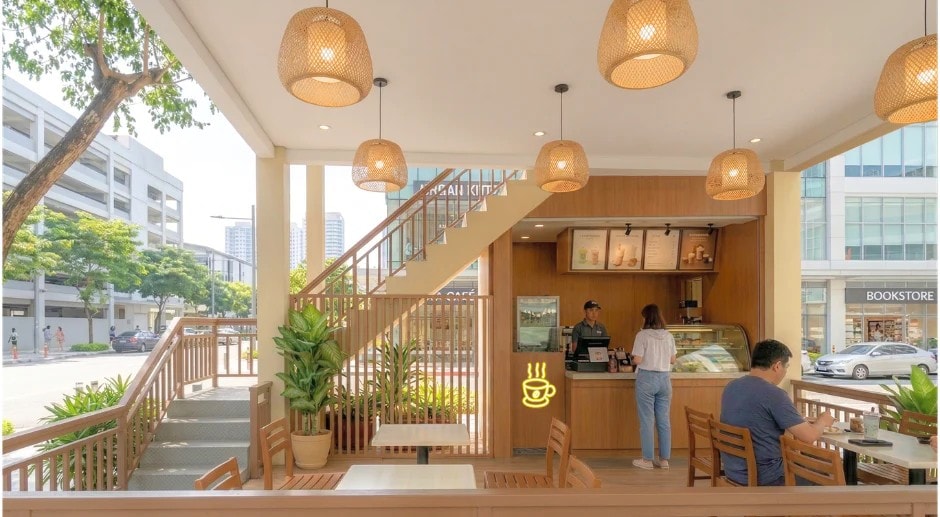
The units start at 15 square meters and scale up to 54, compact by design, but rarely feel that way once built. For corporate clients, the same modular logic scales into cafes, kiosks, and small offices: spaces engineered to "build faster, scale smarter, and operate sooner." Modular construction, Cubo argues, is not a compromise. It is simply a faster, more disciplined way of building for a country that has always had to build efficiently.
The company's "Plug & Play" line takes the idea furthest: ready-made bath pods, cafe pods, and security pods, built once and deployed wherever they're needed. A pop-up coffee kiosk. A commercial cafe pod. A family home with a wraparound deck at dusk: all built from the same underlying system.
The recognition has followed. Forlales and Zanjani were named to Forbes' 30 Under 30 Social Entrepreneurs in Asia, and in 2019 Cubo won the grand prize at the Cities for our Future Challenge, held by the Royal Institution of Chartered Surveyors.
What Cubo is really building, though, may not be the units themselves. It is a bet that modernizing an old idea, built small, built fast, built for how Filipinos actually live, might be the most sustainable way forward for Philippine housing.
Issue No. 1 — The Craft Issue
Five more stories from across the archipelago.